
Selectpath
For HR leaders and executives, employee benefits used to be a line item managed by one department. Now, they’re at the heart of how you find good people, keep them motivated, and build an organization that can weather any storm.
For a mid-sized Canadian organization, your benefits package isn’t just about coverage, it’s a powerful tool. But with costs climbing and your employees’ expectations changing, the old way of managing it just doesn’t work anymore.
The organizations getting it right aren’t always the ones spending the most. They’re just being smarter about it.
Getting Costs Under Control Without Gutting Your Plan
It feels like benefits expenses are rising faster than everything else. Between high-cost specialty drugs, an aging workforce, and people using their benefits more, a single bad year can throw your entire budget off track.
Instead of just trimming coverage, savvy employers are looking at how their plans are actually built. They’re finding low-value perks that nobody uses, encouraging smarter choices for medications, and seeing how their plans measure up to similar organizations. It’s all about protecting the things your employees truly value while keeping your budget in one piece.
Mental Health Is a Business Priority, Period.
Mental health has become one of the biggest challenges in the workplace. It’s now a leading reason for employee absence and disability, especially in customer-facing industries.
Organizations are starting to respond by expanding what they cover, bringing in more types of therapists and counselors, and offering digital therapy and better Employee Assistance Programs. Some are even tracking mental health claims just like they track any other key business metric. One of the greatest investments is communication about the program, storytelling to help members feel comfortable using the program, and keeping it top of mind day in and day out. Supporting your team’s well-being isn’t just the right thing to do, it directly affects your productivity and whether your best people stick around.
Look After the Whole Person
These days, employees are looking for more than just a standard health and dental plan. They want to feel supported in all parts of their lives be it physically, mentally, and financially.
Organizations are starting to get this. They’re offering more preventative care, making mental health support easy to access, providing financial wellness programs, and building in flexibility for people at different stages of life. These don’t have to be expensive changes. What really matters is that they’re thoughtful and feel like a genuine part of your organization culture.
One Size Doesn’t Fit All Anymore
With four generations now working together, it’s no surprise that what people want and need from their benefits is all over the map. A single, rigid plan just isn’t going to work for everyone.
That’s why so many employers are trying more flexible approaches. Things like adding health spending accounts to traditional plans or moving to a modular flex program, which give employees some choice in how they use their benefits dollars, are becoming more popular. A younger employee might be focused on starting a family and mental health support, while an older colleague might care more about strong health and travel coverage.

The key is to balance this flexibility with clear communication so everyone knows what their options are and can make good choices.
Keeping Up with New Trends (The Smart Way)
Your employees are starting to ask about things like medical cannabis, naturopathic doctors, and virtual healthcare. It’s tempting to say “yes” to everything just to seem competitive, but jumping in without a plan can lead to confusion and added risk.
The real solution is to have a clear philosophy behind your benefits. What do you want your plan to say about your organization? Are you making decisions based on solid evidence? Are your limits for things like physiotherapy designed to actually help people get better, or just to check a box? Answering these questions helps keep your plan focused and effective.
Don’t Get Blindsided by Data Security
As benefits go digital, you’re handling more and more of your employees’ sensitive personal and health information. For a mid-sized organization, that can be a pretty big risk.
Smart employers are getting out ahead of this. They’re figuring out where all their data is stored, who has access to it, and asking their vendors some tough questions about cybersecurity. They’re also making it clear who inside the organization is in charge of protecting that information. Being proactive here protects your business and shows your employees you take their privacy seriously.
Getting Your House in Order as You Grow
Growth is great, but it makes everything more complicated. This is especially true for Organizations expanding across different provinces or industries. With different rules for taxes, privacy, and employment standards, staying on top of benefits compliance can feel like a full-time job.
The organizations that handle this well have a clear game plan. They know who makes the decisions, how often the plan gets reviewed, and how changes are communicated. They also have clear roles for HR, finance, and any outside experts. A little bit of structure goes a long way in preventing headaches down the road.
You Can Compete for Talent with Smarter Benefits
You might not be able to offer the same salaries as a huge corporation, but a great benefits plan can make you stand out. When it’s done right, your plan can be a magnet for the kind of people you want to hire.
Start by seeing how your plan stacks up against others in your field. Find the gaps and make targeted changes that speak to what your employees actually need. And make sure your managers know how to talk about the *whole* package, not just salary, but everything that comes with working for you. In this market, your benefits are a huge part of your brand.
Helping Your People Transition to Retirement
As more of your long-time employees start thinking about retirement, you’re going to get more questions about what happens next. Many mid-sized organizations haven’t really thought through this stage, especially when it comes to post-retirement coverage and long-term costs.
This is where a little planning is critical. Figure out what, if any, retiree benefits you currently have, what your obligations might be in the future, and how you’ll talk to employees who are getting ready for this big life change. It’s also important to have a plan for how you’ll manage any changes fairly and transparently.
Building a Plan That Can Handle a Curveball
If the pandemic taught us anything, it’s that things can change in a heartbeat. It showed everyone how important it is to have a benefits plan that is flexible, responsive, and genuinely supportive—and that’s just as true today as it was in a crisis.
Now is the perfect time to look again at your disability and sick leave policies, especially with things like long COVID in the mix.

Virtual care and mental health support should be a core part of your plan, not an afterthought. And every organization needs to know how they’ll keep their benefits running if things get disrupted. Being prepared isn’t a luxury anymore, it’s a necessity.
Your Advisor Should Be a Partner, not a Middleman
As a mid-sized organization, you’re dealing with complex issues without the luxury of a huge HR team. The right benefits advisor does more than just handle your annual renewal; they help you think strategically.
They should bring you insights on what’s happening in the market, help you design a better plan, and be a real partner in making sure your benefits are helping you achieve your bigger business goals. The right relationship can make all the difference.
Is It Time to Take a Fresh Look at Your Plan?
If you’re wondering how your benefits stack up or looking for ways to manage costs without losing your edge, let’s talk. We can bring you the data, insights, and practical ideas that work for an organization your size.
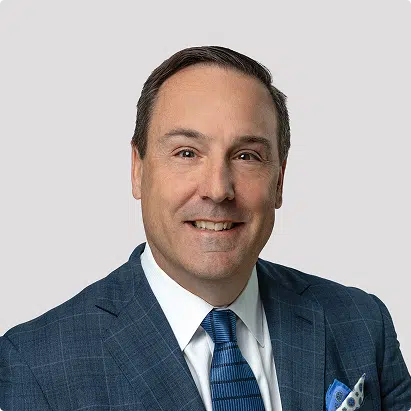
Written by:
Gord Hart, CEBS, ISCEBS Fellow, CHS, REBC
President / CEO
Selectpath Benefits & Financial